
Middle East
🌍 Middle East Now: Shifting Tides, Local Voices, Global Ambition
The Middle East in 2025 is less a monolith and more a constellation — of cities, cultures, ambitions. What unites the region isn’t only its geography, but a shared momentum: digital acceleration, culture-driven growth, and a move from “exported brand” to “home-grown voice”. For communicators and marketers, the terrain is rich, but the terrain is varied. Understanding the differences between the UAE, Qatar and Saudi Arabia is key to doing more than broadcasting — it’s about connecting.
🔍 Regional Threads You Should Know
Across the region, several common currents are driving change:
- Digital & AI-first engagement: The region is rapidly adopting new tech tools, from generative AI to interactive streaming, reshaping how brands must speak. (Google Business)
- Health, wellness and value consciousness: Inflationary pressure, supply-chain shifts and greater health awareness are making consumers more discerning — they want products with purpose, convenience and regional relevance. (Middle East Briefing)
- Cultural & experiential growth: There’s a hunger for authenticity, local identity and premium experience, not just as luxury, but as meaning.
- Local talent and stories over pure import: In advertising, creative, content and media, localised narratives are winning over “global template”. (Erahaus)
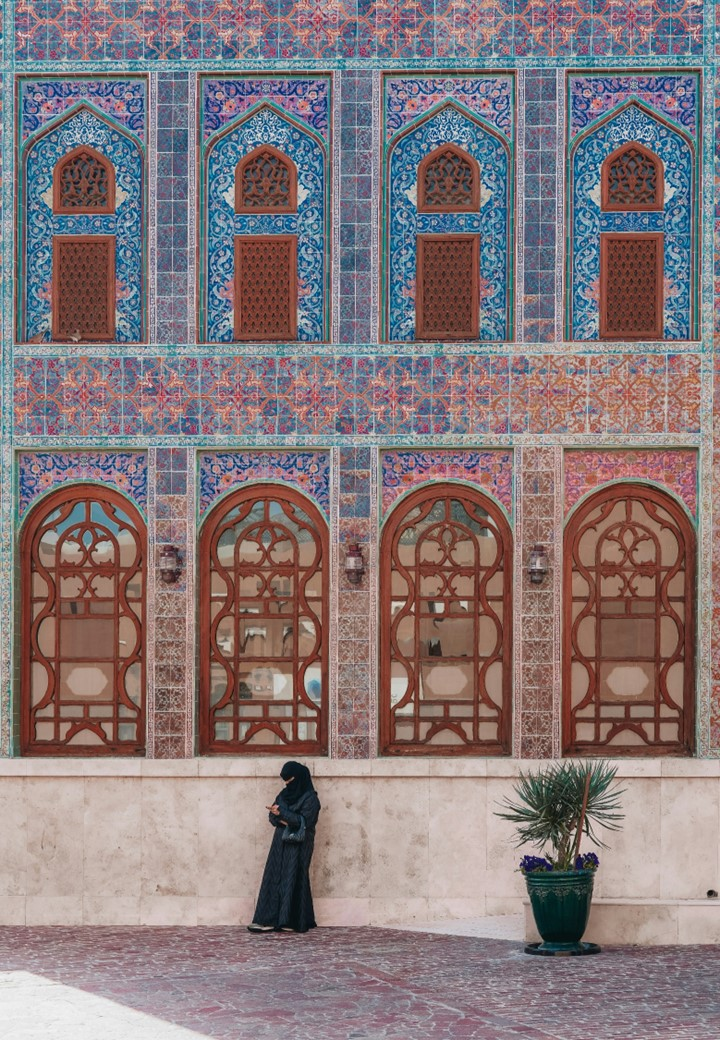
United Arab Emirates (UAE): Polished, Global-Hub, Experience-Driven
In the UAE, the buzz is about curation and global ambition, combined with local sophistication. Brands are no longer just entering; they’re launching experiences. The UAE wants to be the global node for luxury, tech, media and lifestyle. For example, luxury retail experiences in Abu Dhabi are being tailored as “experiences not just purchases”. (Vogue Business)
Key implications for marketing/communications in the UAE
- Content needs to balance Arabic + English, local luxury cues, high-production values.
- Digital native behaviours are high; mobile, social commerce, immersive formats matter.
- Positioning: global brand voice + local relevance = sweet spot.
Qatar: Strategic, Cultural, Soft-Power Focused
Qatar is interesting because it is less about size and more about signal value. The country is investing in culture, art, international events, global positioning. For example, an upcoming major art-fair initiative in Doha. (Financial Times)
Implications
- Projects with cultural resonance (art, hospitality, tourism) have prime relevance.
- Messaging must reflect the ambition: positioning as global player, while rooted in regional identity.
- For brands, opportunities exist in being part of narrative-building (not just selling product).
Saudi Arabia: Scale, Transition, Vision-Driven
In Saudi Arabia, the story is about scale and transformation. Under its “Vision 2030” agenda, there’s major investment in entertainment, digital economy, events, media, sustainability. Hiring trends show demand for strategic / digital / communications talent to support global repositioning. (Hanson Search) Also, social media analytics highlight how sustainability and trends are being monitored in real time. (arXiv)
Implications
- Because of scale and speed of change, there’s opportunity for first-mover advantage.
- Content must respect local culture, still navigate regulatory context, and show long-term commitment.
- For global brands: localisation is key. Tone should be partnership rather than outsider.
🎯 What This Means for Your Network & Strategy
- Recognise the regional nuance: UAE ≠ Qatar ≠ Saudi. Tailor messaging, creative, platform strategy accordingly.
- Emphasise collaboration and local fluency
- Use technology + culture as leverage: AI, digital formats, experiential content will dominate, but only if grounded in local meaning.
- Position communications around value and meaning, not just novelty: Cultural identity, wellness, sustainability, authenticity matter.
- Global brands entering the region should ask: Are we speaking with the region or to it? That shift is vital.
In brief: The Middle East today is not just “rising market”.
It’s a region asserting voice, balancing tradition with modernity, local identity with global ambition.
For communicators who understand the terrain, the region doesn’t pose a challenge, it offers inspiration.